Course Listings
EMT/EMR Courses
- 24hr EMT Refresher
- Title 22 PSFA 21hr Initial Course
- Emergency Medical Responder 60hr Initial Course
American Heart Association Courses
- ACLS (Advanced Cardiac Life Support)
- AHA BLS CPR (Basic Life Support)
- PALS (Pediatric Advanced Life Support)
- Heartsaver First Aid CPR/AED
EMT/EMR Courses
24hr EMT Refresher
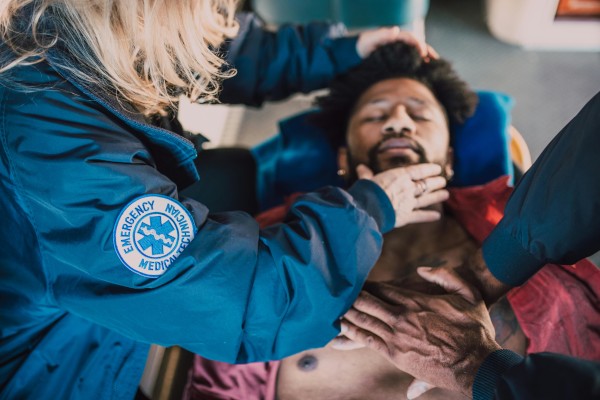
The 24-Hour EMT Refresher Course is designed to meet California EMSA continuing education requirements for Emergency Medical Technician recertification. This comprehensive course provides current EMTs with updated knowledge and skills across all core EMT competencies, ensuring they remain current with the latest emergency medical care protocols and techniques. The course is approved by the Commission on Accreditation for Prehospital Continuing Education (CAPCE) and meets state training program requirements for EMT renewal.
The curriculum includes mandatory California-specific training topics such as Naloxone administration for opioid overdoses, Epinephrine auto-injector use for anaphylaxis, glucometer use for blood glucose monitoring, and hemostatic agents for bleeding control. Additionally, the course provides comprehensive review of patient assessment, airway management, cardiac emergencies, medical emergencies, trauma care, special populations including pediatric and geriatric patients, ambulance operations, and EMS systems.
The course is typically delivered over three days (eight hours per day) and combines didactic instruction, skills demonstrations, and hands-on practice. Upon successful completion, students receive a certificate of completion valid for EMT recertification and must also complete the EMT Skills Competency Verification Form (EMSA-SCV) through an approved provider. Full attendance is mandatory due to regulatory requirements. This course is essential for EMTs maintaining their certification in California and provides the 24 continuing education hours required for standard EMT renewal.
Title 22 PSFA 21hr Initial Course
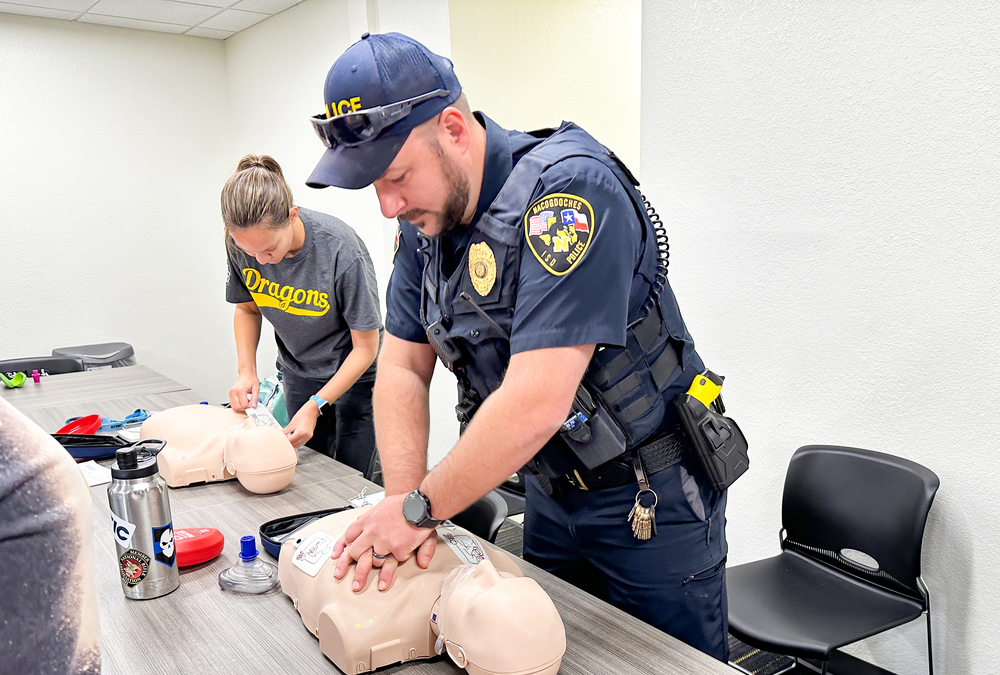
The Title 22 Public Safety First Aid (PSFA) course is a mandated training program established by California Code of Regulations, Title 22, Division 9, Chapter 1.5, specifically designed for public safety personnel throughout California. This comprehensive 21-hour course provides advanced first aid training that exceeds basic CPR certification and is required for firefighters, lifeguards, peace officers, CAL FIRE personnel, and students training for public safety careers. The PSFA course meets the minimum medical training requirements for public safety positions and provides the knowledge and skills necessary to manage medical emergencies in the field until advanced medical care arrives.
The rigorous curriculum covers emergency response and scene safety, comprehensive patient assessment for medical and trauma situations, CPR and AED use for all ages following American Heart Association standards, airway management and rescue breathing, bleeding control and shock management, wound care and dressing application, sudden medical emergencies including heart attack, stroke, seizures, diabetic emergencies, breathing difficulties and allergic reactions, musculoskeletal injuries and spinal motion restriction techniques, emergency childbirth procedures, poisoning and drug overdose response, environmental emergencies including heat illness, hypothermia, and cold injuries, bites and stings, terrorist incidents and active shooter response, tactical casualty care principles, and mass casualty incident triage and response.
The course emphasizes practical, hands-on skills development through realistic scenarios that public safety personnel are likely to encounter. Students must successfully complete both a comprehensive written examination and practical skills testing to receive certification. The demanding nature of this course typically requires nightly homework and study between class sessions.
Upon successful completion, students receive a PSFA certification valid for two years, along with American Heart Association CPR/AED certification. This training is essential for all California public safety personnel and provides the foundation for effective emergency medical response in pre-hospital settings.
Emergency Medical Responder 60hr Initial Course
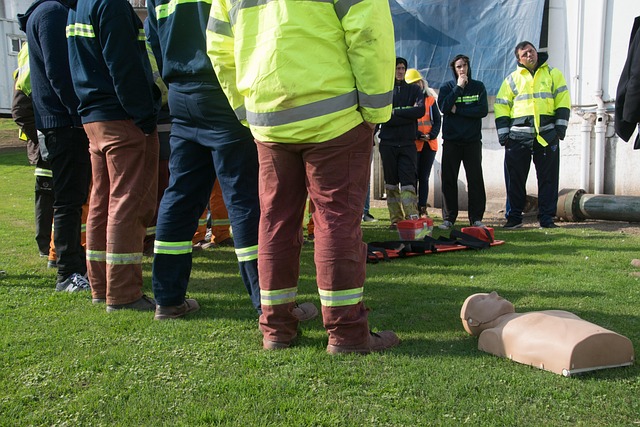
The Emergency Medical Responder (EMR) course is the entry-level certification in the National EMS Education Standards and provides foundational training for individuals who will be first on scene at emergency situations. EMR training is designed for public safety personnel, industrial safety teams, ski patrollers, lifeguards, search and rescue team members, law enforcement officers, firefighters, and community volunteers who need more advanced training than basic first aid but are not seeking full EMT certification. This course is also an excellent foundation for those considering careers in emergency medical services or healthcare.
The comprehensive EMR curriculum typically consists of 50-60 hours of instruction combining classroom learning with extensive hands-on skills practice. Course content includes EMS systems and safety, medical terminology and body systems, patient assessment techniques for medical and trauma emergencies, airway management and oxygen administration, CPR for all ages and AED use, medical emergencies including cardiac, respiratory, and diabetic conditions, trauma care including bleeding control, shock management, and musculoskeletal injuries, environmental emergencies, behavioral emergencies, obstetric and gynecologic emergencies, special populations including pediatric and geriatric patients, lifting and moving patients safely, and ambulance operations and extrication.
Students learn to perform immediate lifesaving interventions while awaiting additional EMS resources and how to assist higher-level EMS providers at emergency scenes. The course emphasizes hands-on skills development using realistic scenarios and medical equipment.
Upon successful course completion, students are eligible to take the National Registry of Emergency Medical Technicians (NREMT) EMR certification exam. State EMR certification requirements vary, with some states like California requiring approval through specific certifying entities such as CAL FIRE or local EMS agencies. EMR certification provides critical skills for first responders and creates a pathway to advanced EMS education and certification levels.
American Heart Association Courses
ACLS (Advanced Cardiac Life Support)
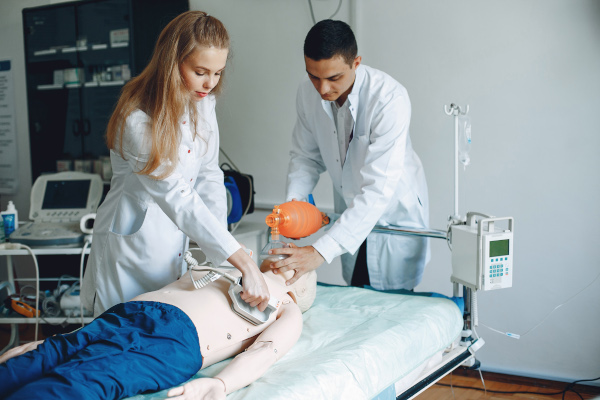
The American Heart Association Advanced Cardiac Life Support (ACLS) course is an advanced training program designed for healthcare professionals who direct or participate in the management of cardiopulmonary arrest and other cardiovascular emergencies. This course builds upon the foundation of Basic Life Support (BLS) skills and is required for physicians, nurses, paramedics, respiratory therapists, emergency medical personnel, critical care staff, and other healthcare providers who need ACLS certification for their professional roles. The ACLS course reflects the latest science and treatment recommendations from the American Heart Association Guidelines for CPR and Emergency Cardiovascular Care.
The comprehensive ACLS curriculum emphasizes high-performance team dynamics and covers recognition and early management of respiratory and cardiac arrest, recognition and management of peri-arrest conditions including symptomatic bradycardia and unstable tachycardia, advanced airway management techniques including endotracheal intubation and supraglottic airway devices, ECG rhythm interpretation for identifying life-threatening arrhythmias, ACLS pharmacology including appropriate medication selection and dosing for cardiac emergencies, electrical therapy including defibrillation and cardioversion, post-cardiac arrest care to optimize patient outcomes, management of acute coronary syndromes (ACS), recognition and early management of stroke, and effective communication as a team leader and team member during resuscitation efforts.
The course utilizes case-based learning scenarios that simulate real-world cardiovascular emergencies, allowing students to practice systematic approaches to patient assessment and treatment. Students learn to apply ACLS algorithms in a standardized, evidence-based manner while developing critical thinking and clinical decision-making skills. Hands-on practice with advanced equipment and team-based simulations prepare healthcare providers for actual emergency situations.
ACLS courses are available in multiple formats including traditional instructor-led classroom courses (typically 12-16 hours over two days for initial certification), blended learning options combining HeartCode ACLS online modules with hands-on skills sessions, and renewal courses (approximately 6-8 hours) for previously certified providers. Students must demonstrate proficiency in ACLS skills through practical testing scenarios (Mega Code) and pass a written examination. Upon successful completion, participants receive an American Heart Association ACLS Provider certification valid for two years. BLS certification is a prerequisite for ACLS training, and students are expected to complete precourse self-assessment and study materials before attending the course.
AHA BLS CPR (Basic Life Support)
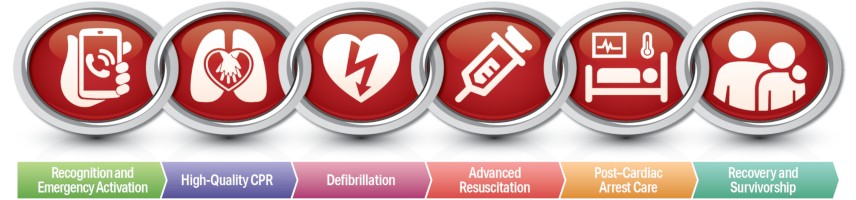
The American Heart Association Basic Life Support (BLS) course is the gold standard for healthcare provider-level CPR training, designed specifically for medical professionals, first responders, and healthcare students. This comprehensive course trains participants to promptly recognize life-threatening emergencies, deliver high-quality cardiopulmonary resuscitation, provide appropriate ventilations, and effectively use automated external defibrillators (AEDs). The BLS course reflects the latest science and education from the 2025 American Heart Association Guidelines for CPR and Emergency Cardiovascular Care and is required for nurses, physicians, EMTs, paramedics, respiratory therapists, physical therapists, physician assistants, dental professionals, and medical students.
The BLS curriculum provides in-depth training on recognizing cardiac and respiratory arrest in adults, children, and infants, performing high-quality chest compressions with proper rate, depth, and recoil, delivering effective rescue breaths and ventilations using various methods including mouth-to-mask, bag-valve-mask devices, and advanced airway adjuncts, proper AED operation and early defibrillation techniques, two-rescuer CPR and effective team dynamics, relief of foreign body airway obstruction (choking) for all ages, special resuscitation situations including drowning and opioid-related emergencies, and the Chain of Survival concept for optimizing patient outcomes.
The course emphasizes hands-on practice using feedback-enabled CPR manikins that provide real-time guidance on compression quality. Students learn both single-rescuer and team-based resuscitation approaches, with special focus on high-performance CPR techniques and effective communication during resuscitation efforts.
The BLS course is available in multiple formats including traditional instructor-led classroom courses (approximately 3-4 hours), HeartCode BLS blended learning combining online didactic content with hands-on skills sessions, and renewal courses for currently certified individuals. Upon successful completion of skills testing and written examination, participants receive an American Heart Association BLS Provider Course Completion eCard valid for two years. BLS certification is essential for healthcare professionals and represents the foundational life-saving skills required across all healthcare settings.
PALS (Pediatric Advanced Life Support)

The American Heart Association Pediatric Advanced Life Support (PALS) course is an advanced training program designed for healthcare professionals who respond to emergencies in infants and children and for personnel who encounter pediatric patients in emergency situations. This course is intended for healthcare providers who either direct or participate in the management of respiratory and cardiovascular emergencies, shock, arrhythmias, and cardiopulmonary arrest in pediatric patients. The PALS course is required for physicians, nurses, paramedics, respiratory therapists, emergency medical personnel, intensive care and critical care unit staff, and other healthcare professionals working in emergency response, emergency medicine, and critical care environments. The course has been updated to reflect the latest science and education from the American Heart Association 2025 Guidelines for CPR and Emergency Cardiovascular Care.
The comprehensive PALS curriculum uses a series of videos and simulated pediatric emergencies to reinforce critical concepts including systematic approach to pediatric assessment using the Pediatric Assessment Triangle and primary/secondary assessment methods, recognition and early intervention for respiratory emergencies, differentiation between respiratory distress and respiratory failure, recognition and management of shock in pediatric patients, high-quality pediatric basic life support including age-appropriate CPR techniques, PALS treatment algorithms for systematic emergency response, recognition of cardiac arrest and initiation of CPR within 10 seconds, management of cardiac arrhythmias in children, advanced airway management techniques for pediatric patients, PALS pharmacology including appropriate medication selection and dosing for pediatric emergencies, post-cardiac arrest care to optimize outcomes in children, effective resuscitation team dynamics and high-performance team leadership, and recognition of patients who do and do not require immediate intervention.
The course emphasizes case-based learning through simulated pediatric emergency scenarios that allow students to apply their knowledge in realistic healthcare settings. Students develop critical thinking skills and learn to make real-time clinical decisions while managing complex pediatric emergencies. The training focuses on early recognition of pediatric patients at risk for cardiopulmonary arrest and prompt, effective intervention to prevent deterioration.
Heartsaver First Aid CPR/AED
The American Heart Association Heartsaver First Aid CPR AED course is designed for anyone with little or no medical training who needs first aid, CPR, and AED training to meet job requirements, OSHA regulations, or other workplace safety mandates—or anyone who simply wants to be prepared to respond in an emergency. This comprehensive course trains participants in essential lifesaving skills for responding to medical emergencies at work, home, or in the community. The Heartsaver program is ideal for teachers, childcare providers, coaches, personal trainers, security personnel, office workers, construction workers, and concerned citizens who want to be prepared to help in emergency situations.
The comprehensive Heartsaver First Aid CPR AED curriculum covers first aid fundamentals including how to assess emergency scenes and victims, when and how to call for emergency help, using personal protective equipment, first aid for medical emergencies such as breathing problems, choking, allergic reactions, heart attack, stroke, diabetic emergencies, seizures, shock, and fainting, first aid for injury emergencies including severe bleeding, burns, muscle and bone injuries, head and spinal injuries, and environmental emergencies, CPR for adults, children, and infants with emphasis on high-quality chest compressions, rescue breathing and ventilation techniques, proper AED operation for all ages, and relief of choking for all ages. The course also includes training on responding to opioid-associated emergencies, a critical skill in today's environment.
The Heartsaver course is available in multiple convenient formats including traditional classroom instruction (approximately 4.5-5.5 hours), blended learning combining online self-paced study with hands-on skills sessions, and options for workplace group training. All formats teach the same evidence-based American Heart Association science and award the same course completion card.
Upon successful completion of skills practice, skills testing, and a written exam, participants receive a Heartsaver First Aid CPR AED Course Completion Card valid for two years. This OSHA-compliant training satisfies workplace safety requirements and empowers individuals with the confidence and knowledge to respond effectively when emergencies occur. The Heartsaver program provides accessible, high-quality training that can truly save lives in everyday situations.